Understand the issues
Review the policy questions and balanced considerations presented on this page.
Explore key issues ↗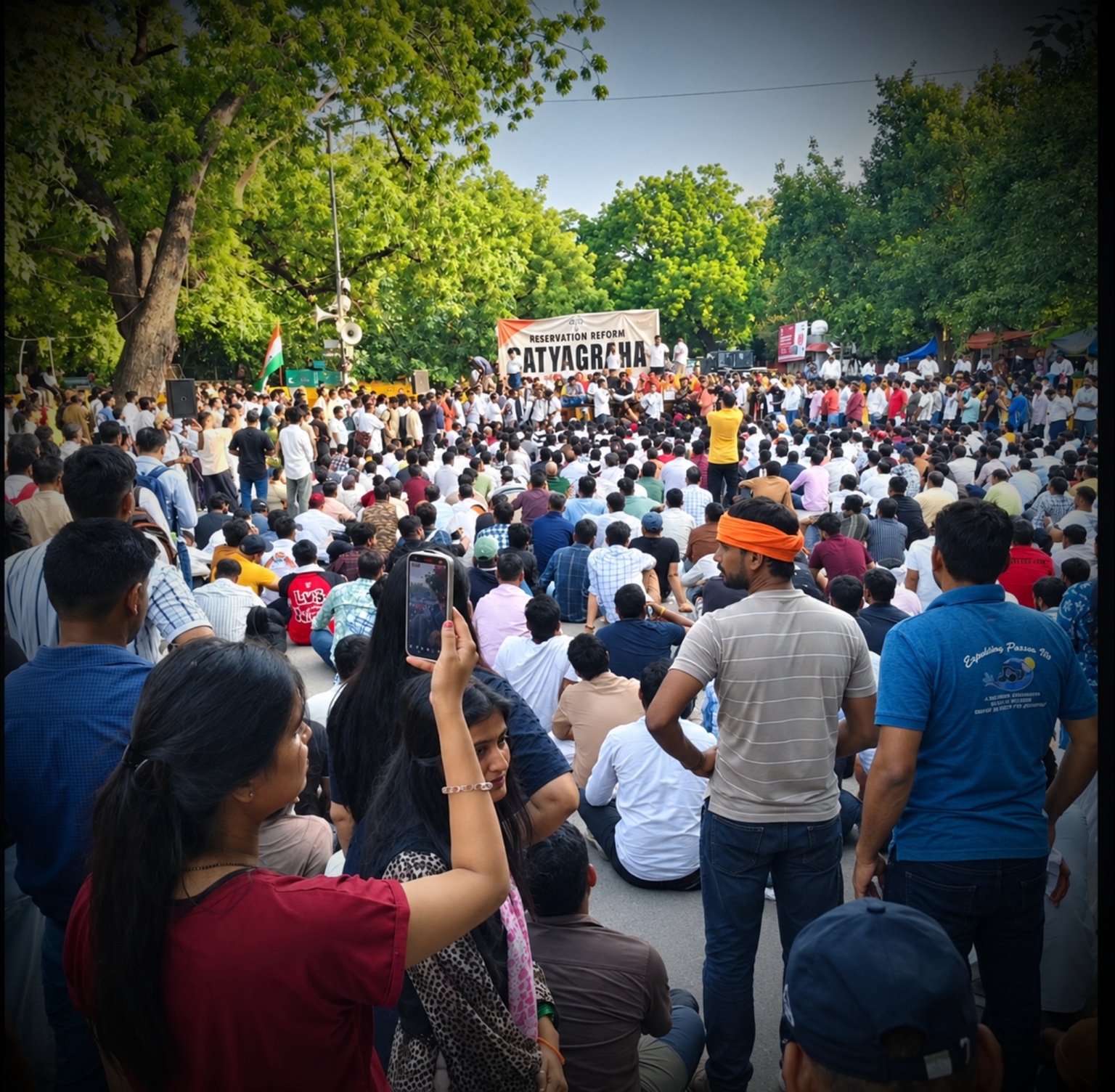
Examining questions around targeting, access, economic disadvantage and periodic policy review while recognising the historical and constitutional context of reservation.
Explore the discussion ↓Register for a membership ID, revisit your card when needed, or explore the issues before taking part.
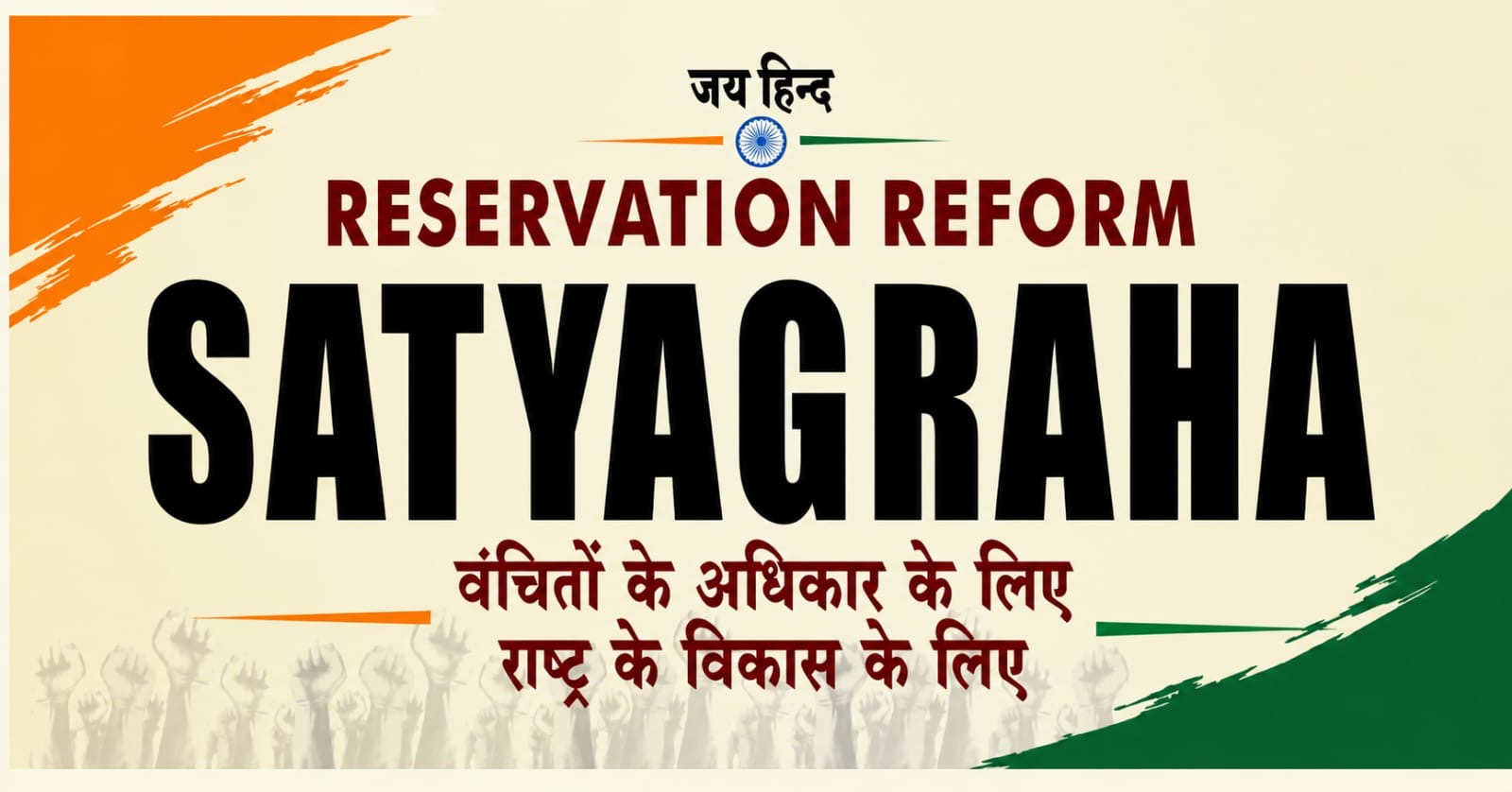
Reservation policies were introduced as a constitutional mechanism to address historical social discrimination and inadequate representation. Public discussion can also examine whether policies can be periodically reviewed and refined so support reaches people facing significant disadvantage.
Questions about caste, economic circumstances, educational opportunity and geography can be considered using reliable evidence and transparent review.

Review the policy questions and balanced considerations presented on this page.
Explore key issues ↗Complete the registration form and follow the instructions to generate your membership ID card.
Start registration ↗If you have already registered, use the recovery page to access your ID card again.
Recover an ID card ↗
Caste may not capture every present-day difference in economic and educational circumstances.
People within the same reserved category can experience different levels of opportunity and resources.
Families facing substantial economic barriers can exist across social categories.
Education, scholarships, training and infrastructure can address disadvantage before competitive selection.
Evidence-based review can assess reach, outcomes and whether adjustments are warranted.

Any reform discussion should also consider the continuing effects of historical discrimination and unequal access to opportunities.
A balanced review could examine caste, economic circumstances, educational disadvantage, geographic disadvantage and other relevant indicators using reliable data.
State-wise registration counts from the member database, grouped by the state entered during registration. Numbers refresh automatically.
Loading current registration figures…
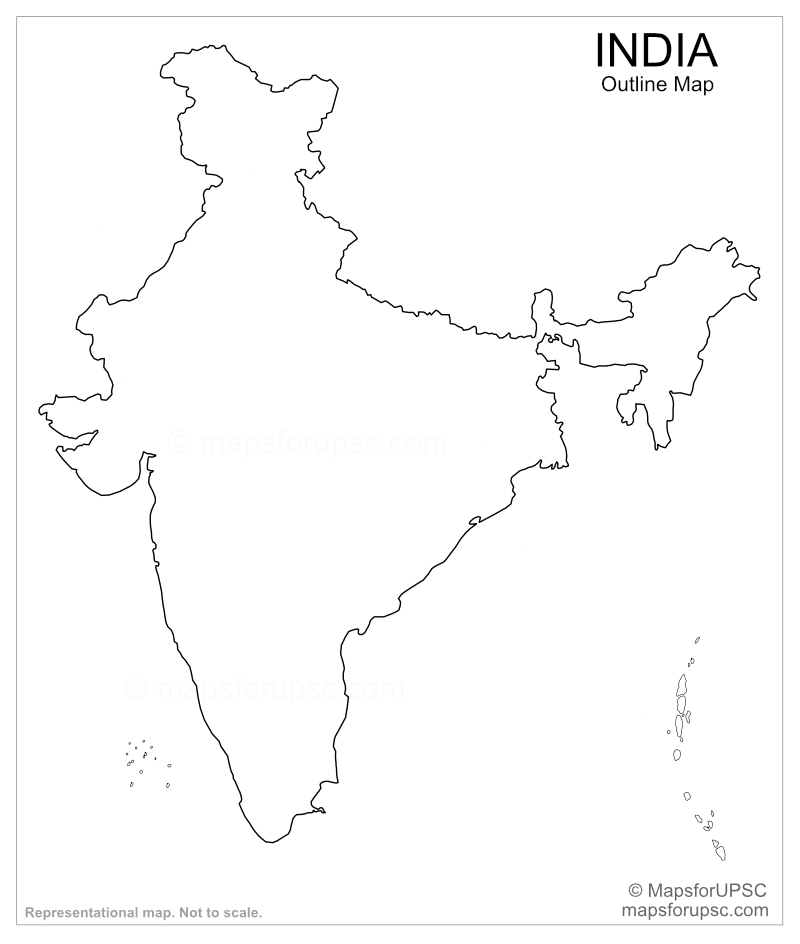
Loading state-wise counts…
Share a short, respectful quote about your experience, hopes or ideas for public policy. You must be a registered member. Every submission is reviewed by an administrator before it can appear here.
Submit your quote Explore all voices ↗Approved member quotes will appear here.
Use the button to open your email application with the recipients, subject and full representation prefilled. Review the message and make any changes you want before sending.